
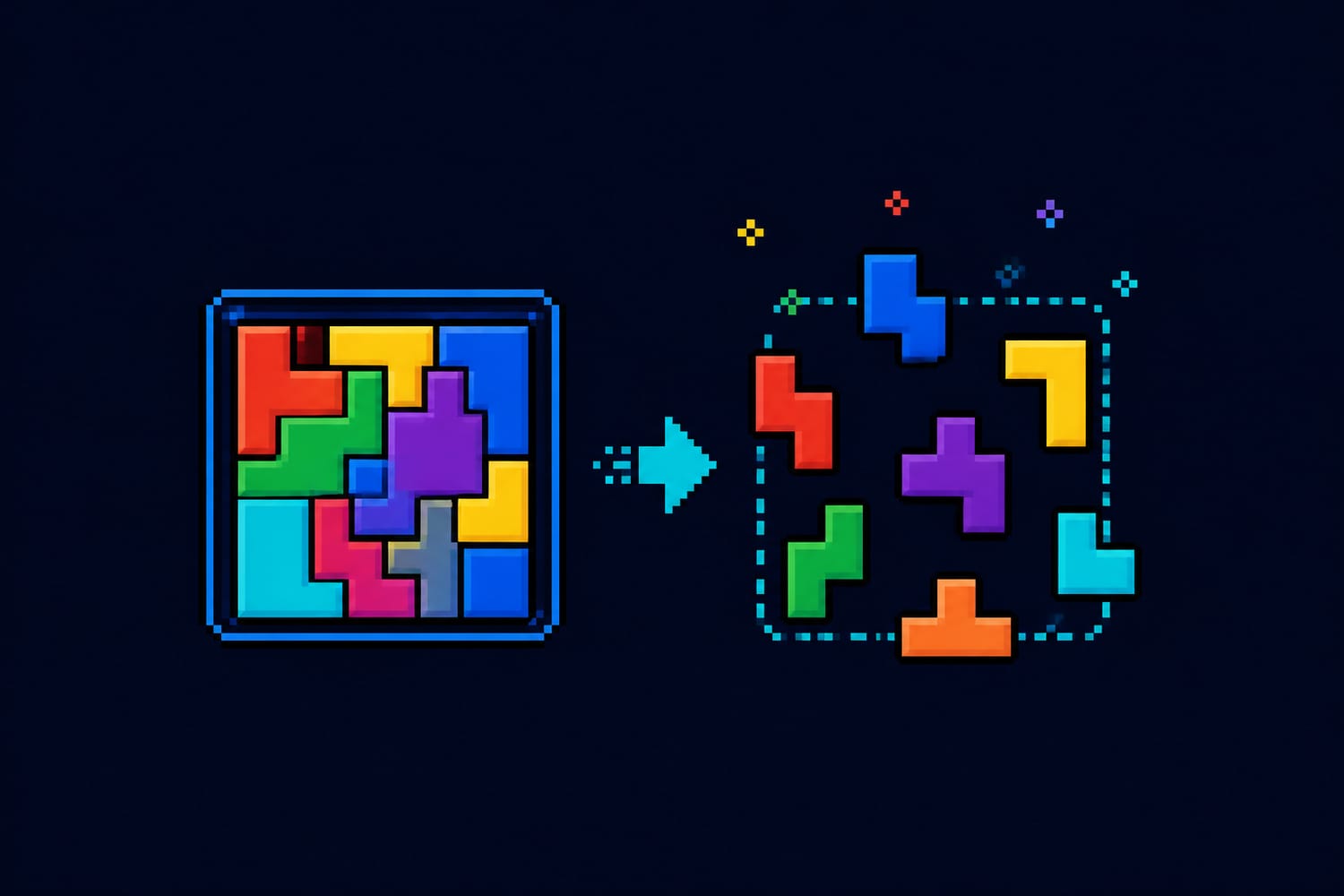
What Happens When You Make a Puzzle Instead of Solving One? The Joy of Creative Play
What Changes When You Become the Puzzle Maker?
When you solve a puzzle, you follow someone else’s trail of clues. When you make one, you build the trail. You choose what to reveal, what to hide, and when the solver might have an “aha!” moment. That shift turns a familiar pastime into a creative project—one you can try with paper, a pencil, and a few minutes.
Puzzle-making is not just for professional crossword constructors. A child can draw a maze for a friend. A family can write clues about favorite places. An adult can turn a set of everyday words into a word search. The result need not be polished to be fun. Part of the pleasure is discovering whether the idea in your head works for someone else.
The Surprising Work Behind a Simple Clue
A solver asks, “What’s the answer?” A maker asks more questions: “What will the player notice first? Is there enough information? Could this clue mean two different things?”
Consider the answer umbrella. You could write, “Something you carry in the rain.” That’s clear, but perhaps too easy for your intended player. “A portable roof for a rainy walk” adds personality while still pointing toward an answer. For a young child, the first clue might be perfect. For a friend who loves wordplay, the second might be more satisfying.
Making those choices invites you to look at the same idea from two sides: your own and the solver’s. It also makes you more attentive to how puzzles communicate. Next time you encounter an elegant clue, you may find yourself appreciating not only its answer but also how carefully it led you there.
Puzzles Arcade’s look at designing a puzzle game describes a similar cycle on a larger scale: start with an idea, make a playable version, test it, and revise it. Your kitchen-table puzzle can follow that same pattern without any special equipment.
Why the Making Can Feel Good
Creative play gives you room to experiment without needing to produce something important. You can try a clue, cross it out, and try again. A maze can take an unexpected turn; a word search can reveal a funny arrangement of letters. Mistakes become part of the activity rather than a verdict on your ability.
That low-pressure approach matters more than any claim that making puzzles will transform your brain. There is no good reason to promise that a homemade puzzle will prevent cognitive decline or treat stress. What it can offer is an enjoyable way to spend time thinking, making choices, and sharing an experience. The National Institute on Aging recommends finding activities you enjoy and notes that the right amount of activity should feel fun, not stressful. The CDC also suggests hobbies, building things, and crosswords among ways to take a break and care for your emotional well-being. Neither recommendation is a guarantee about puzzle-making specifically.
For children, the value of play includes the freedom to explore rather than simply deliver a correct result. The American Academy of Pediatrics encourages simple, inexpensive materials and child-led play. That spirit fits homemade puzzles beautifully: the person drawing a winding path or inventing a silly clue is allowed to change the plan halfway through.
Five Easy Ways to Make Your First Puzzle
You do not need to invent a new kind of game. Start with a format you already understand, then add a personal touch.
- Write a tiny word search. Pick five words around a theme—perhaps foods, animals, or things at the beach. Place them in a small grid, then fill the empty squares with other letters. For a first attempt, hide words only across or down, and keep a completed copy as your answer key.
- Draw a maze. Mark the start and finish, sketch a route between them, and add branches that lead to dead ends. Trace the correct route yourself before handing it over.
- Make a clue hunt. Write three clues that lead to safe, ordinary spots in your home. Place each clue where the previous one points. A final note saying “You found it!” is prize enough.
- Create a picture puzzle. Draw two nearly identical scenes and change five details in the second. Ask someone to spot the differences.
- Try a mini crossword. Choose a handful of familiar words that share letters, arrange them so they cross, and write a clue for each one. Don’t worry about making a newspaper-style grid.
If you enjoy experimenting with words, Puzzles Arcade’s article on how crossword constructors build grids and clues offers a closer look at the craft. It’s fine to borrow the basic idea and make your own version much smaller.
The Best Test: Give It to Someone Else
A puzzle may seem obvious when you already know the answer. Hand it to another person, though, and you learn what your clues actually say.
Ask your tester to talk through their thinking. If they pause, resist explaining right away. Watch where they look and what they try. Did a maze have an accidental shortcut? Does a crossword clue fit two answers? Is a hidden word hard to see because the letters are cramped? These discoveries are useful feedback, not failures.
You can then make one small change and try again. Add a starting hint, redraw a confusing corner, or replace a vague clue. A good puzzle is not necessarily a difficult one; it is one that gives its intended player a fair chance to figure things out.
This exchange can be especially enjoyable across ages. A child might invent the pictures while an adult writes the instructions. A grandparent might supply words from a favorite story while a younger relative arranges the grid. The American Academy of Pediatrics notes that giving children space to work through playful challenges, rather than immediately fixing things for them, supports their opportunity to practice problem-solving. The same courtesy works for any solver: offer a hint when it’s wanted, but leave room for discovery.
Make It Personal, Not Perfect
A homemade puzzle can hold details that a store-bought one cannot. A word search might contain the names of family pets. A maze could wind through a drawing of an imaginary city. A clue hunt might revisit shared memories: “Look where we keep the mugs for weekend cocoa.”
Personal details make the puzzle feel like a gift, even if it is scribbled on scrap paper. They also let you adapt the challenge to the person receiving it. Use large, clear letters for someone who finds small print difficult. Skip a timer for a player who prefers to take their time. Choose words the solver knows, or offer a theme that helps them learn unfamiliar ones.
Not every puzzle needs another person, either. Making one for yourself can be an enjoyable exercise in invention. You might sketch several possible mazes, decide which route feels most interesting, and save the finished design for later. Or you can take inspiration from the word, number, and matching games at Puzzles Arcade and ask what single feature you would change if you were the designer.
The Joy Is in the Back-and-Forth
Solving offers the satisfaction of finding a path. Making offers a different pleasure: imagining a path that someone else can find. You invent, test, notice, and adjust. Then a solver brings ideas of their own to the page, sometimes spotting possibilities you never intended.
Start small tonight: three clues, a five-word search, or a maze on a sticky note. Share it if you like. Whether the first version works beautifully or needs a second draft, you have already done something delightful—you turned play into something you made.

