
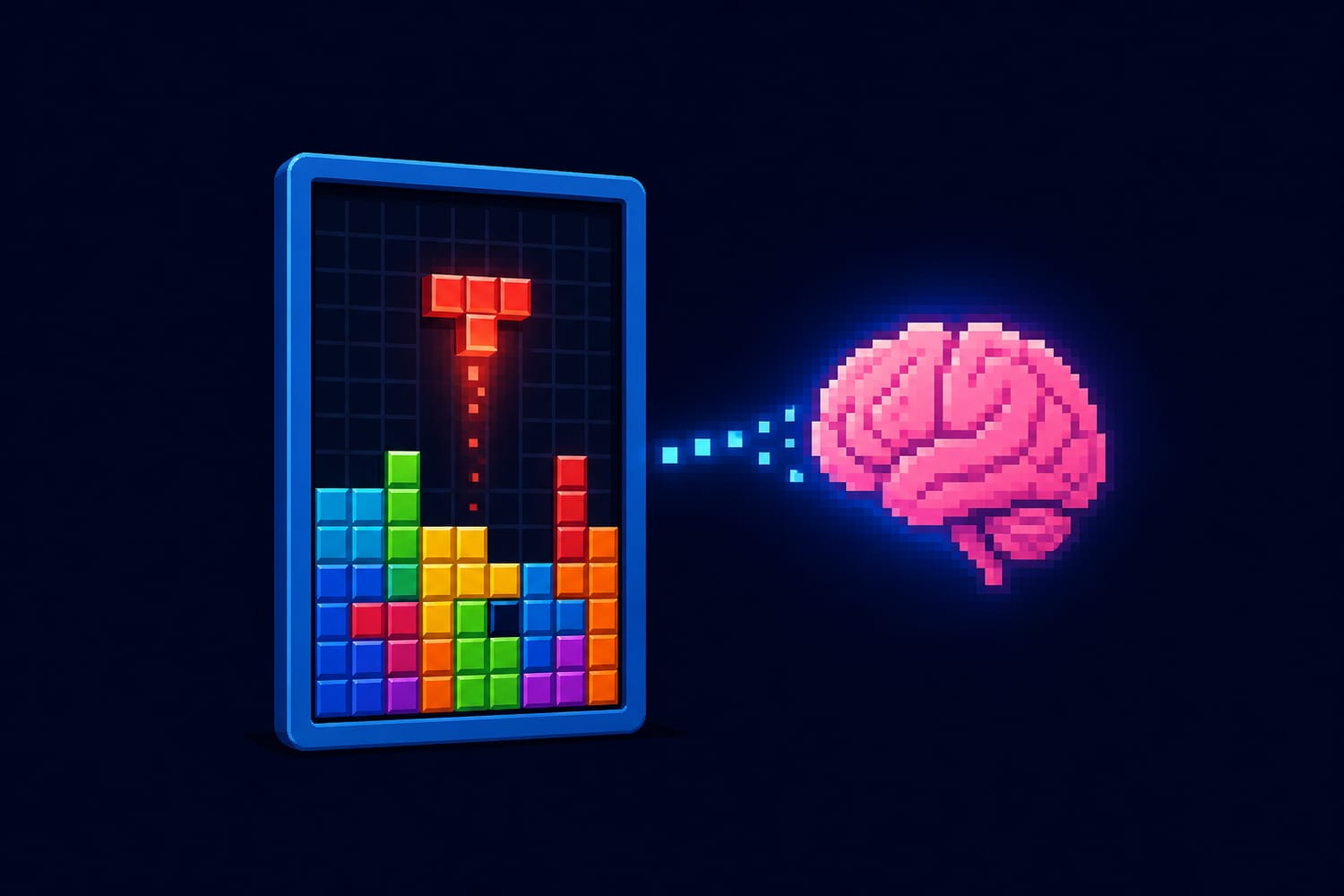
How Puzzle Games Strengthen Working Memory One Move at a Time
Why Working Memory Matters More Than You Think
Working memory is the brain’s “mental workspace.” It is the ability to hold information in mind for a short time while using it. You rely on it when you remember a phone number long enough to dial it, follow a recipe, solve a math problem, compare two shopping items, or plan your next move in a game.
Unlike long-term memory, which stores facts and experiences, working memory is active and temporary. It helps you keep track of what is happening right now. For example, when playing a puzzle game, you may need to remember where a piece fits, what move you tried earlier, which tiles are blocked, or what pattern you are trying to complete. That small but steady mental effort is working memory in action.
Puzzle games are especially interesting because they often ask players to think one step ahead, hold rules in mind, notice patterns, and adjust when something changes. Whether you enjoy jigsaw puzzles, Sudoku, match-3 games, word puzzles, logic grids, block puzzles, or maze challenges, you are giving your brain a structured problem to work through.
Puzzle games are not magic, and no single activity can “upgrade” the brain overnight. But when played regularly and thoughtfully, they can provide meaningful mental exercise. One move at a time, they encourage attention, planning, flexible thinking, and memory skills that support everyday life.
What Working Memory Does During a Puzzle
When you play a puzzle game, your brain is doing more than simply “looking for the answer.” It is managing several types of information at once.
Imagine you are playing a block puzzle. You need to remember the shapes available, scan the board for open spaces, predict what will happen if you place a piece in a certain spot, and avoid blocking yourself later. That is a lot of mental juggling.
In a word puzzle, you may hold several possible letters in mind while testing combinations. In Sudoku, you remember number rules across rows, columns, and boxes. In a jigsaw puzzle, you keep track of colors, edges, shapes, and the larger image you are building. In a matching game, you may remember where a certain symbol or card appeared earlier.
This is the heart of working memory: holding and using information at the same time.
Puzzle games often involve three important parts of working memory:
- Storage: Remembering information briefly, such as a rule, location, number, shape, or clue.
- Processing: Using that information to make a decision.
- Updating: Changing your plan as new information appears.
The “updating” part is especially important. Good puzzle solving is not just about remembering; it is about revising. You try something, notice the result, and adjust. That cycle is one reason puzzles can feel both challenging and satisfying.
How Puzzle Games Train Attention and Focus
Working memory and attention are closely connected. You cannot hold information in mind very well if your attention is scattered. Puzzle games naturally encourage focus because they give you a clear goal and immediate feedback.
For many players, this is one of the most enjoyable benefits. A puzzle can create a calm, focused state where distractions fade into the background. You are not just passing time; you are concentrating on a task with structure and purpose.
Different puzzles train attention in different ways. Search-based puzzles, such as hidden object games, strengthen visual attention by asking you to scan carefully. Logic puzzles train selective attention because you must ignore irrelevant possibilities and focus on useful clues. Timing-based puzzle games can challenge sustained attention because you need to stay alert over multiple rounds.
This kind of focus can be useful for people of all ages. Children practice following rules and staying with a task. Adults may use puzzle time as a break from multitasking. Older adults may enjoy puzzles as a mentally engaging routine that supports alertness and confidence.
However, it is important to be realistic. Playing puzzles does not guarantee that attention will improve in every area of life. Scientific research on brain training suggests that people often improve most on the tasks they practice, while broader benefits can vary. Still, puzzle games can be a healthy, enjoyable way to practice focused thinking, especially when combined with good sleep, physical activity, social connection, and balanced daily habits.
One Move at a Time: Planning, Prediction, and Mental Flexibility
A good puzzle often asks, “What happens next?” That question is where working memory shines.
When you plan a move, you mentally test an idea before acting. You may imagine rotating a piece, placing a tile, filling a square, or choosing a path. Your brain briefly holds that possible future in mind and compares it with other options.
This process is called mental simulation. It is a key part of problem solving. You are not just reacting to the puzzle; you are predicting outcomes.
For example:
- In a maze, you may remember dead ends and plan a better route.
- In chess puzzles, you think several moves ahead.
- In match-3 games, you predict how pieces will fall after a match.
- In Sudoku, you test whether a number placement creates a conflict.
- In a sliding tile puzzle, you plan a sequence rather than a single move.
These small predictions help strengthen the habit of organized thinking. Even when you make a mistake, your brain learns from the result. “That move blocked the corner.” “That number cannot go there.” “That word needs a different vowel.” Mistakes become information.
Puzzle games also encourage mental flexibility. If one approach fails, you try another. This flexibility is valuable because many real-life problems do not have an obvious first solution. Puzzles teach patience with uncertainty: you may not know the answer yet, but you can keep exploring.
Why Difficulty Level Makes a Big Difference
For puzzle games to be mentally useful, difficulty matters. A puzzle that is too easy may be relaxing, but it may not strongly challenge working memory. A puzzle that is too hard can become frustrating and discouraging. The sweet spot is the “just right” level: challenging enough to require effort, but not so difficult that you give up.
This idea is similar to physical exercise. A short walk is good for health, but building strength requires some resistance. For the brain, resistance comes from novelty, complexity, and the need to remember and manipulate information.
You can adjust puzzle difficulty in simple ways:
- Choose a larger grid or board.
- Use a time limit occasionally.
- Try a new puzzle type.
- Reduce hints or undo options.
- Increase the number of pieces, clues, or rules.
- Replay a puzzle and aim for a more efficient solution.
Variety is also helpful. If you always play the same game in the same way, your brain becomes more efficient at that specific task. That can feel great, but it may reduce the challenge over time. Mixing puzzle styles encourages different skills: spatial reasoning, language, logic, pattern recognition, memory, and planning.
The Emotional Benefits of Puzzle Solving
Working memory is not the only reason puzzle games are valuable. Puzzles can also support emotional well-being.
Solving a puzzle provides a sense of progress. Each correct move, completed row, matched pair, or placed piece gives the brain a small reward. This can build motivation and confidence. Even difficult puzzles can feel satisfying because progress is visible.
Puzzle games can also reduce stress for many people. A puzzle gives the mind a clear, contained problem. Unlike real-life worries, puzzles usually have rules, boundaries, and solutions. That structure can be comforting. Many players find that a few minutes of puzzle time helps them reset after a busy day.
There is also a confidence-building effect. When you struggle with a puzzle and eventually solve it, you practice persistence. You learn that confusion is not failure; it is part of the process. This mindset can be especially helpful for children learning problem-solving skills, as well as adults who want a positive mental challenge.
Of course, puzzles should feel enjoyable, not like pressure. If a game becomes stressful, it is perfectly fine to pause, lower the difficulty, or switch to a different type of puzzle. The goal is healthy engagement, not perfection.
Puzzle Games Across Different Ages
Puzzle games can benefit different age groups in different ways.
For children, puzzles can support early learning skills such as attention, visual recognition, memory, patience, and rule-following. Shape puzzles, matching games, simple mazes, and age-appropriate logic games can help children practice thinking step by step. They also learn that trial and error is normal.
For teenagers and adults, puzzle games can provide a productive mental break. Many people spend the day switching between tasks, messages, and responsibilities. A puzzle offers focused challenge. It can train planning, concentration, and the ability to hold information while making decisions.
For older adults, puzzles can be an enjoyable part of a brain-healthy lifestyle. Research generally supports the idea that mentally stimulating activities are associated with better cognitive health, though puzzles are only one piece of the picture. Social activity, exercise, sleep, nutrition, and medical care all matter too. Puzzle games can be especially helpful when they are fun, varied, and part of a regular routine.
The best puzzle is the one a person wants to keep playing. Enjoyment matters because consistency matters. A game that is slightly challenging and genuinely fun is more useful than a “perfect” brain exercise that feels like a chore.
Healthy Puzzle Habits for Better Results
To get the most from puzzle games, it helps to play with intention. You do not need long sessions. Even 10 to 20 minutes can be enough for a focused mental workout.
Try these healthy puzzle habits:
- Play regularly: A few short sessions each week can be better than one long session once in a while.
- Increase challenge gradually: Move up in difficulty when a puzzle becomes too easy.
- Take breaks: The brain needs rest. If you feel stuck, stepping away can help.
- Avoid frustration loops: If a puzzle stops being fun, change the game or difficulty.
- Reflect on strategies: After solving, ask yourself what worked.
- Balance screen time: Digital puzzles are great, but breaks for movement and eye rest are important.
- Mix solo and social play: Solving with others can add communication and teamwork benefits.
One of the best ways to strengthen working memory through puzzles is to slow down and think about your choices. Instead of tapping quickly or guessing, pause and ask: “What am I remembering? What am I predicting? What changes if I make this move?” That small moment of reflection turns a casual game into deeper mental practice.
The Science: Encouraging, but Not Overhyped
It is important to talk about puzzle benefits honestly. Puzzle games do engage working memory, attention, and problem-solving skills. Practicing a puzzle can make you better at that puzzle and related tasks. Many studies on cognitive training show improvement in trained skills.
However, scientists are still studying how much these improvements transfer to unrelated daily activities. In other words, becoming excellent at a memory game does not automatically mean you will remember every appointment or never lose your keys. Real-life memory depends on many factors, including sleep, stress, health, organization, and environment.
That does not make puzzle games less valuable. It simply means they should be seen as one helpful tool, not a cure-all. They are enjoyable, accessible, and mentally stimulating. They can support good habits of attention, persistence, planning, and flexible thinking. Those habits are useful far beyond the game board.
The most accurate message is this: puzzle games can strengthen the mental processes used in working memory, especially when they are challenging, varied, and played consistently. They work best as part of a balanced lifestyle.
Final Move: Small Challenges, Big Rewards
Puzzle games strengthen working memory one move at a time because they ask the brain to hold, use, update, and organize information. Every clue remembered, pattern spotted, tile placed, or strategy revised is a small act of mental training.
The beauty of puzzles is that they make this training enjoyable. You do not need special equipment or expert knowledge. You can start with a simple game and grow from there. Whether you play for relaxation, challenge, learning, or fun, puzzle games invite your brain to stay curious and active.
At Puzzles Arcade, every puzzle is more than a pastime. It is a chance to focus, experiment, learn from mistakes, and celebrate progress. So the next time you make a move, remember: your brain is making one too.

