
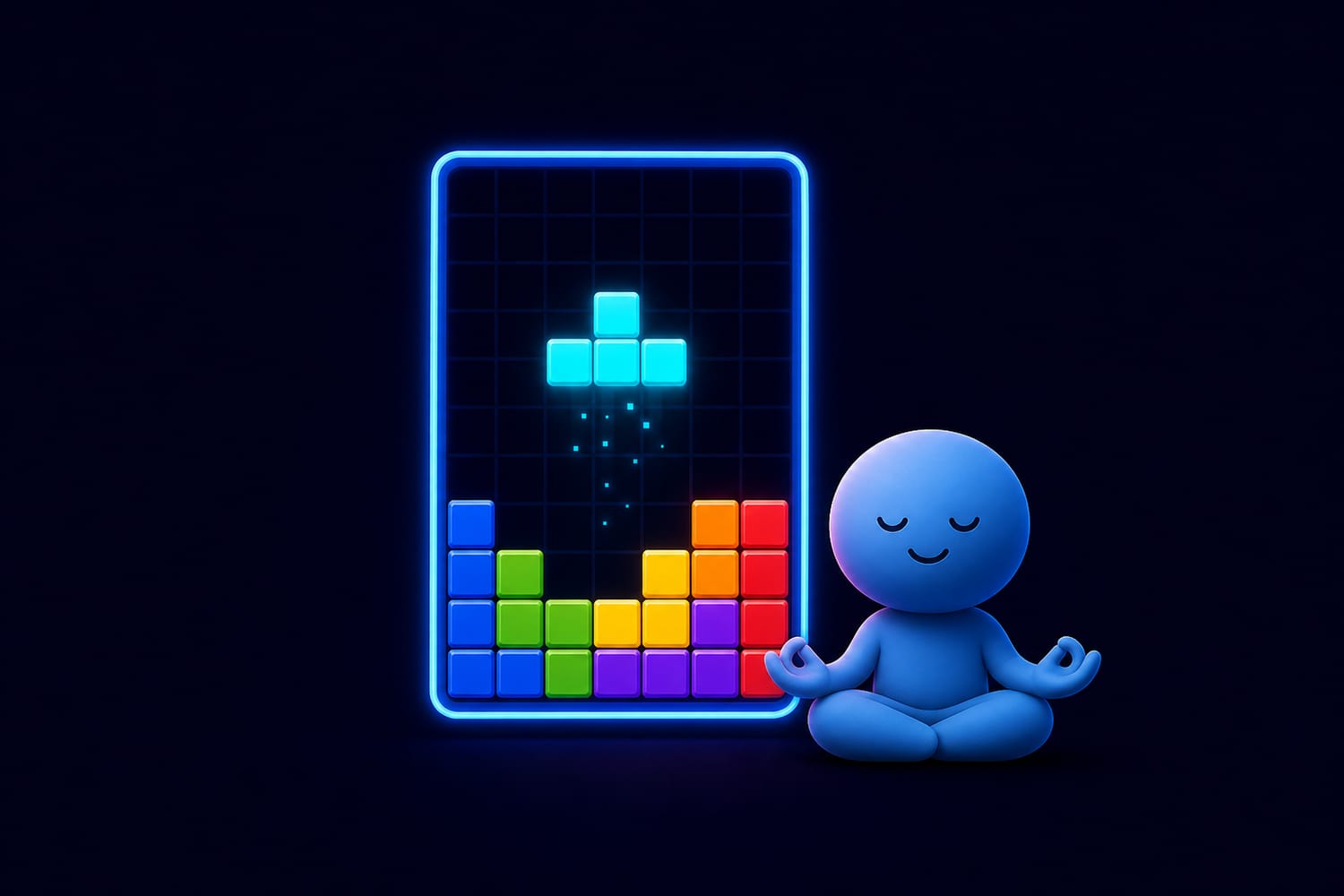
How Puzzle Games Build Frustration Tolerance and Calm Under Pressure
Why Puzzles Are More Than “Just Games”
Puzzle games have been part of human culture for centuries, from riddles and chess problems to crosswords, Sudoku, jigsaw puzzles, word games, logic grids, match-3 games, escape-room challenges, and modern mobile puzzle apps. At first glance, they may seem like simple entertainment. You move a piece, find a word, rotate a shape, spot a pattern, or solve a mystery. But beneath the fun, puzzle games train several important mental and emotional skills.
One of the most valuable is frustration tolerance: the ability to stay engaged when something is difficult, confusing, or not going your way. Another is the ability to remain calm under pressure, especially when time limits, limited moves, tricky rules, or repeated mistakes create stress.
These skills matter far beyond games. They help children learn, students study, adults solve work problems, and older adults stay mentally active. A puzzle gives the brain a safe place to practice struggle. You can fail, reset, try again, and improve—without the high stakes of real-life emergencies.
Puzzle games are not magic, and they do not solve every problem. But when played in a balanced way, they can support patience, focus, flexible thinking, and emotional control. In other words, they can teach us how to stay steady when a situation gets hard.
What Frustration Tolerance Really Means
Frustration tolerance is not the same as “never getting frustrated.” Everyone feels annoyed or stuck sometimes. Even experienced puzzle players can feel irritated when a clue makes no sense or a level seems impossible.
Frustration tolerance means you can feel that discomfort without immediately giving up, lashing out, or deciding you are “bad” at the task. It is the ability to pause, breathe, think, and continue with a new strategy.
In daily life, low frustration tolerance might look like quitting homework after one wrong answer, snapping at someone during a disagreement, or feeling overwhelmed when plans change. Higher frustration tolerance looks like taking a short break, asking for help, trying a different method, or accepting that mistakes are part of learning.
Puzzle games are useful because they create small, controlled frustrations. A crossword clue may be just out of reach. A logic puzzle may require careful attention. A timed game may raise your heart rate. A jigsaw piece may look like it belongs everywhere and nowhere. These tiny challenges let you practice the emotional skill of staying with a problem long enough to solve it.
The Brain Learns Through Challenge
The brain is built to adapt. When you face a challenge, make an attempt, receive feedback, and try again, you strengthen learning pathways. This idea is connected to neuroplasticity, the brain’s ability to change through experience.
Puzzle games often provide fast and clear feedback. If a Sudoku number breaks the rules, you know something needs to change. If a word does not fit, you search for another. If a block puzzle fills the board too quickly, you adjust your placement strategy next time. This feedback loop encourages the brain to compare, test, revise, and remember.
Importantly, puzzles also teach that confusion is not failure. In many puzzle games, confusion is the starting point. You are not expected to know the answer immediately. You are expected to investigate.
This is where emotional growth happens. Instead of thinking, “I don’t know, so I’m done,” puzzle players learn to think, “I don’t know yet, so what can I try?” That one word—yet—can change the entire experience.
Research on learning and motivation supports the importance of persistence, effort, and a growth mindset. A growth mindset means believing abilities can improve through practice and good strategies. Puzzle games naturally encourage this mindset because improvement is visible. A puzzle that once felt impossible may become manageable after you learn a pattern or technique.
Pressure in Puzzle Games: Safe Stress With Real Benefits
Some puzzle games are calm and untimed. Others add pressure through countdown clocks, limited moves, increasing difficulty, or competitive scoring. These features can create mild stress. In the right amount, that stress can be useful.
This is sometimes described as the difference between distress and eustress. Distress feels overwhelming and harmful. Eustress is a manageable challenge that can sharpen attention and increase motivation. A timed puzzle round, for example, may make you sit up straighter, focus harder, and make quicker decisions.
Practicing under mild pressure can help players learn how their body reacts to stress. Maybe your breathing gets shallow. Maybe your hands tense up. Maybe you rush and make careless mistakes. Puzzle games give you a chance to notice these reactions and improve them.
Over time, players may learn that panic usually does not help. A calmer approach often works better: scan the board, identify the most important information, make a reasonable move, and adjust. This skill can transfer to real-life situations, such as taking a test, giving a presentation, learning a new skill, or dealing with a busy day.
Of course, pressure should be appropriate. A game that feels exciting to one person may feel too stressful to another. The goal is not to force constant difficulty. The goal is to find a challenge level that is engaging but not overwhelming.
How Puzzles Teach Emotional Regulation
Emotional regulation is the ability to understand and manage feelings. Puzzle games can support this skill because they often trigger small emotional waves: curiosity, hope, confusion, surprise, disappointment, and satisfaction.
Imagine you are playing a puzzle level and lose with one move left. The first feeling may be frustration. But the next step matters. Do you quit instantly? Do you blame the game? Or do you review what happened and try again?
Puzzle games encourage a useful emotional sequence:
- Notice the feeling: “I’m frustrated.”
- Name the problem: “I ran out of moves because I focused on the wrong area.”
- Choose a response: “I’ll try a different opening strategy.”
- Try again: “Now I know what to watch for.”
This process builds self-control. It also creates a healthy separation between performance and identity. Losing a puzzle round does not mean you are not smart. It means the strategy did not work yet.
For children, this can be especially valuable. A puzzle can become a gentle lesson in patience, turn-taking, and problem-solving. For adults, puzzles can offer a low-risk way to practice slowing down before reacting. For older adults, puzzles may provide enjoyable mental stimulation and a sense of accomplishment.
The Power of “Try Another Way”
Many puzzle games reward flexible thinking. If one path fails, another may work. This is important because frustration often increases when people believe there is only one possible solution.
In a word puzzle, you might skip a difficult clue and return later. In a jigsaw puzzle, you might build the border first, then sort by color. In Sudoku, you might stop guessing and look for a row, column, or box with the fewest possibilities. In a physics puzzle, you might change the timing rather than the placement. Each of these choices teaches adaptability.
Flexible thinking is a major part of calm problem-solving. Under pressure, people sometimes become rigid. They repeat the same mistake because stress narrows attention. Puzzle games can counter this by showing that progress often comes from changing perspective.
A common puzzle habit is to step back and look at the whole board. That simple action has a real-life parallel. When you feel stuck, it helps to zoom out. What information are you missing? What assumptions are you making? What would happen if you tried the opposite approach?
Puzzle games make this process enjoyable. They turn strategy shifts into satisfying “aha!” moments. The brain remembers those moments because they feel rewarding.
Why Small Wins Build Confidence
One reason puzzle games are so appealing is that they offer frequent small wins. Completing a row, finding a hidden word, placing the right piece, solving a clue, or clearing a level can create a sense of progress.
These small wins matter. Confidence is not built only through huge achievements. It is often built through repeated experiences of “I worked through something difficult.” Puzzle games provide many opportunities for that feeling.
The reward is not only the final solution. It is also the discovery that you can handle the process. You can be confused and still continue. You can make a mistake and recover. You can feel pressure and still think clearly.
This is especially helpful for people who avoid challenges because they fear failure. Puzzles normalize trial and error. In most puzzle games, mistakes are expected. You learn the rules by testing them. You improve by noticing what did not work.
A well-designed puzzle gives just enough difficulty to make success feel earned. That balance—challenging but possible—is one reason puzzles are so effective for motivation.
Choosing the Right Puzzle for Your Mood
Not every puzzle has the same emotional effect. Some are relaxing, while others are intense. Choosing the right kind of puzzle for your mood can make the experience more beneficial.
If you want to unwind, try slower puzzles such as jigsaws, crosswords, word searches, non-timed logic puzzles, or pattern games. These can support calm focus without urgency.
If you want to practice pressure, try timed challenges, limited-move puzzles, competitive puzzle modes, or escape-room-style games. These can help you practice staying organized while the clock is ticking.
If you feel discouraged, choose a puzzle slightly below your hardest level. This can rebuild confidence. If you feel bored, choose a puzzle slightly above your comfort zone. This can increase engagement.
The best puzzle is not always the hardest one. It is the one that gives you the right level of challenge for your current energy, attention, and goals.
Healthy Play: Balance Still Matters
Puzzle games can support emotional skills, but balance is important. Playing for long periods without breaks can lead to fatigue, eye strain, or irritability. If a game uses streaks, rewards, or time pressure, it can also become tempting to keep playing even after it stops feeling enjoyable.
Healthy puzzle play means staying aware of your body and mood. Are you relaxed or tense? Are you having fun or just chasing one more win? Are you taking breaks? Are you still sleeping, moving, studying, working, and connecting with others?
A good rule is to use puzzle games as mental exercise, not mental escape all the time. They can be a great break, but they should not replace real rest, physical activity, or important responsibilities.
For families, it can help to make puzzle play social. Solve a crossword together. Work on a jigsaw as a group. Take turns explaining strategies. Cooperative puzzle play can build communication, patience, and shared celebration.
Bringing Puzzle Skills Into Real Life
The emotional skills learned through puzzles become most powerful when we recognize them outside the game.
When a work problem becomes complicated, you can think like a puzzle player: break it into smaller parts. When a test question feels confusing, skip it and return later. When a conversation becomes tense, pause before making your next move. When a plan fails, try another strategy instead of assuming everything is ruined.
Puzzle games teach that being stuck is often temporary. They show that calm attention can reveal patterns that panic misses. They remind us that progress may come slowly, one piece at a time.
This does not mean every real-life problem has a neat solution like a puzzle. Life is more complex. But the habits are still useful: patience, observation, flexible thinking, emotional awareness, and persistence.
The Calm Confidence of a Puzzle-Solver
Puzzle games are fun because they challenge us. They are beneficial because they let us practice challenge in a safe, repeatable way. Every difficult clue, tricky level, and almost-solved board is a chance to build frustration tolerance.
Over time, puzzle players learn an important lesson: difficulty is not a stop sign. It is an invitation to slow down, look closer, and try again.
That lesson can help people of all ages. Children can learn patience. Teens can build focus and confidence. Adults can practice stress management. Older adults can enjoy stimulating, satisfying mental activity. Whether you prefer crosswords, Sudoku, jigsaws, logic puzzles, match games, or brain teasers, each puzzle can become a small workout for calm persistence.
So the next time a puzzle makes you pause, smile at the challenge. Take a breath. Look again. The solution may not appear immediately—but your ability to stay calm while searching for it is already growing.

